
Decide whether the visitor center is essential
Minidoka National Historic Site preserves and interprets the former incarceration camp where the federal government imprisoned Japanese Americans during World War II. This is a place for learning and remembrance. Begin by deciding whether the group needs the visitor center, film, exhibits, staff contact, bookstore, restroom, or passport stamp.
The National Park Service says the visitor center operates seasonally, Friday through Sunday between Memorial Day weekend and Labor Day weekend. The grounds and walking trail remain available daily from sunrise to sunset. Outside visitor-center hours, brochures and the stamp may be in an after-hours box, but restrooms are closed. Check the current hours page because schedules can change.
Use the center to build context
The visitor center occupies a renovated camp warehouse and includes exhibits, a park film, a ranger information desk, and bookstore. For a first visit, that context can make the outdoor remains and reconstructed features easier to understand. Arrive with enough time to see the exhibits before closing.
Do not reduce the site to a quick stamp stop. The park interprets forced removal, incarceration, community life, military service, and redress. Adults bringing children should explain in plain language why people were confined and allow time for questions. Use National Park Service interpretation rather than improvised euphemisms.
Prepare for the self-guided trail
NPS describes a 1.6-mile walking trail with outdoor exhibit signs. It is open from sunrise to sunset throughout the year. The route crosses an exposed agricultural setting. Bring water, sun protection, layers, and footwear for the current surface. The hours page warns of bees, snakes, and other animals and asks visitors to keep their distance.
Pets and recreational vehicles are prohibited on the trail. Service animals and motorized scooters for people with disabilities are allowed. Do not assume the open grounds mean unrestricted vehicle or drone access. Follow posted visitor routes and closures, especially near construction or administrative areas.
Separate site hours from facility hours
The distinction matters in fall and winter. A person may walk the grounds while the visitor center and restrooms are closed. That can still be worthwhile for someone who has read the park history and downloaded a map, but it is a different visit. Families, school groups, and anyone needing a restroom should plan around seasonal services.
Schools and large educational groups may request tours outside regular visitor-center hours. That requires advance coordination and is not guaranteed. Use the park's field-trip process rather than arriving as a large group and expecting staff or building access.
Check accessibility needs directly
The hours page lists auto, bus, and RV parking, seating, captioned media, baby-changing facilities, and accessible visitor services. Conditions on the outdoor trail may still matter. Contact the park about a specific mobility, sensory, or group need before travel.
The visitor center address is 1428 Hunt Road in Jerome, even though the site is commonly discussed in the wider Mini-Cassia and Magic Valley area. Put the exact address into navigation. Do not rely on the historical name "Hunt" alone to find the entrance.
Leave room for reflection
This should not be paired casually with several entertainment stops. Give the exhibits and trail enough time, then choose a quiet meal or return drive. Photography must respect posted restrictions and other visitors. A family can discuss what it learned without asking children to perform an emotional response.
Before departure, confirm the current center schedule, grounds status, weather, restroom availability, route, and any group arrangement. If the center is closed, decide honestly whether a self-guided walk meets the group's needs or whether to return in season.
Download the official brochure before an off-season visit and read the basic history before bringing children onto the trail. Cell service is listed as an amenity, but a phone should not be the only source of interpretation or directions. The exposed route can take longer than its mileage suggests when a group stops at every panel. Set a turnaround based on weather and mobility, not on completing every sign. Never climb on historic structures, cross barriers, or remove material. The site's physical remains and open space are part of the record the park protects.
Check the details
Dates and rules can change. These are the organizer and venue pages used for the practical details in this guide.
- Minidoka National Historic Site: plan your visit
Visitor planning, directions, facilities, and current notices
- Minidoka operating hours and seasons
Seasonal visitor-center hours, daily grounds access, trail rules, restrooms, and accessibility details
- Minidoka visitor center
Visitor-center exhibits, film, information, and bookstore
- Minidoka superintendent's compendium
Current park rules and superintendent documents
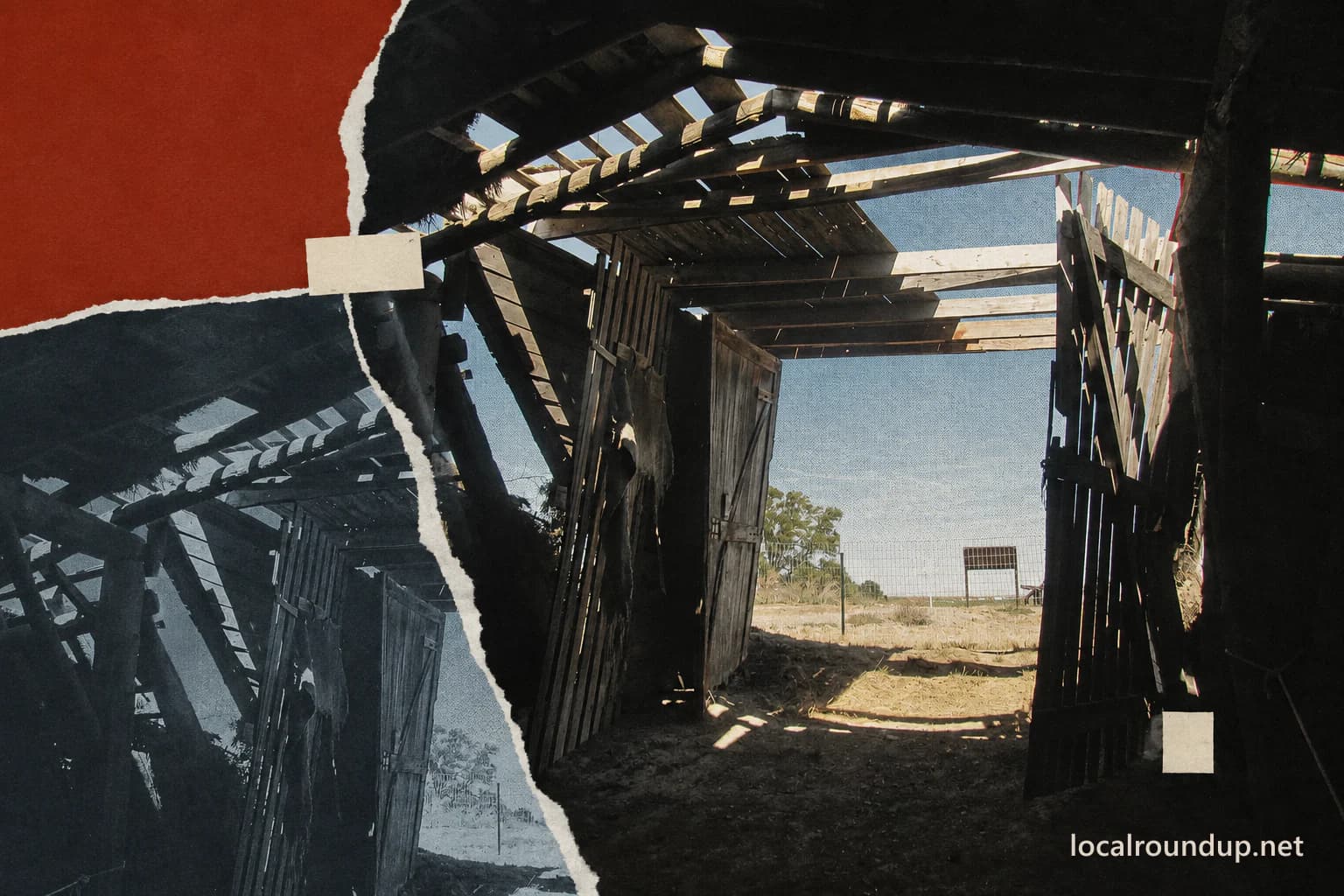
- NPS hero photograph: Root Cellar
Exact-site NPS photograph, public domain as a U.S. federal government work; modified with crop, color, halftone, paper, watermark, and layout