
Start with opening status
The standard Boise River float begins at Barber Park and ends six miles downstream at Ann Morrison Park. Ada County says it usually takes two to three hours and includes three Class II rapids in the first half. The route is popular and often described as a casual summer outing. It is still moving water, and the useful plan starts with transport, flotation, and a willingness to cancel.
Confirm that floater services are operating
The river is always float-at-your-own-risk. Barber Park's floater amenities usually operate from late June through Labor Day only when river and weather conditions are suitable. Check Float the Boise and Ada County notices on the day of the trip. A warm afternoon does not prove the flow, debris, air quality, or services are appropriate.
If official floater services are not operating, do not treat that as a challenge to improvise. Choose a Greenbelt walk, park visit, or another activity. Conditions outside the managed season require more skill and planning than a first-trip guide can supply.
Solve the two-car problem before launching
The put-in and take-out are in different parks. Decide whether to use the seasonal shuttle or stage vehicles. The 2025 official guide listed a paid shuttle from Ann Morrison Park to Barber Park, with hourly weekday departures and 20-minute weekend and holiday service. Those details are seasonal and may change, so verify the current year before relying on them.
If you bring your own vessel on the shuttle, it must be deflated. Parking at Barber Park is charged during float season, while Ann Morrison parking is free under the published guide. Do not leave a vehicle overnight or park illegally at Ann Morrison. A transport plan made at the take-out is too late.
Bring a suitable craft and life jacket
Rentals may be available at Barber Park during floater-service hours, and personal rafts, tubes, and paddleboards are allowed. Bring a pump for your own inflatable. Avoid novelty pool toys that cannot be steered or withstand contact with branches and rocks.
Everyone should wear a properly fitted life jacket. Idaho law requires one aboard for each person, and children 14 and younger must wear one. Barber Park has a loaner station, but availability is not guaranteed. Secure footwear and protect keys and phones in a way that does not create a snag hazard.
Expect active steering
The route has three Class II rapids in its first half. The county directs floaters to steer actively and avoid hazards. Stay alert for branches, changing channels, bridge structures, and other users. Do not tie separate tubes or people together. A connected group can wrap around an obstacle that one person could otherwise avoid.
The official take-out is on river left at Ann Morrison Park. Begin moving toward the exit early enough to reach it without a last-second crossing. Review the current map before entering and make sure every adult recognizes the take-out.
Decide who should not float today
A first trip is not appropriate for anyone who cannot tolerate cold water, follow directions, remain in a life jacket, or help steer the craft. Alcohol and moving water are a poor combination. Children need an adult who can focus on them rather than on managing several loosely connected vessels.
Cancel for smoke, storms, unusually cold weather, uncertain river status, missing safety equipment, or a transportation failure. Money already spent on parking or a rental is not a reason to enter.
Keep the river and parks usable
Pack out trash and do not bring glass. Use park restrooms before launching. The float passes through a shared river corridor, so give wildlife and private banks space. At Ann Morrison, clear the take-out promptly so the next group can exit.
A good first float is logistically boring. The shuttle or cars are ready, every person has a fitted life jacket, the current map is understood, and the group enters only after confirming services and conditions. Save spontaneity for what you notice along the river, not for how you get home.
Put dry clothes, keys, and any needed medication in the vehicle waiting at the take-out. The driver should know exactly where that vehicle is parked before anyone leaves for the launch.
Check the details
Dates and rules can change. These are the organizer and venue pages used for the practical details in this guide.
- Primary planning source 1
Supports the guide's operating, access, safety, or historical planning claims; retrieved 2026-09-05.
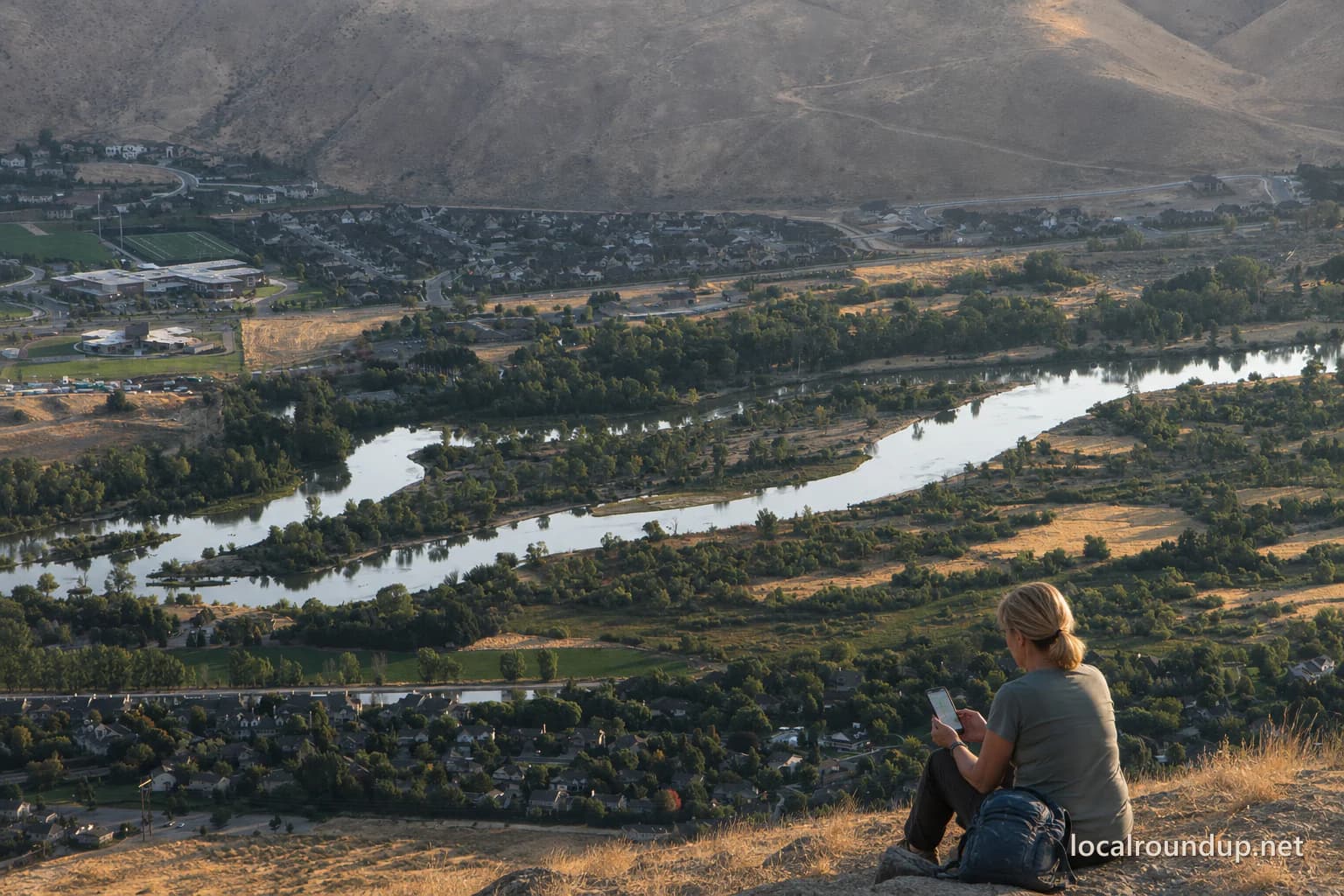
- Hero image source: Hans Steiger (HaSt), CC BY-SA 4.0 (adapted)
The hero collage is adapted under CC BY-SA 4.0; an obstruction was removed, a person was added, and the image was cropped, retouched, and watermarked. The derivative image is offered under CC BY-SA 4.0: https://creativecommons.org/licenses/by-sa/4.0/.