
Choose a route before arrival
The University of Idaho Arboretum and Botanical Garden is free, open daily from dawn to dusk, and large enough that "walk around the garden" is not a useful plan. Its 63 acres hold native and introduced plants in a sloping landscape south of the President's Residence. Pick a parking area and a time budget before you arrive. That choice determines whether the visit feels relaxed or unfinished.
Park at the south end for the clearest start
The university identifies free parking at 1200 West Palouse River Drive at the south end of the arboretum. This is the most straightforward starting point for a first visit because the address belongs to the garden rather than another campus facility. Limited parking is also available at the University of Idaho Golf Course lot at 1215 Nez Perce Drive.
Use the golf-course option only after checking campus signs. "Limited" describes capacity, and university parking controls can change. If mobility, a stroller, or a tight schedule matters, inspect the official map before leaving and choose a simple out-and-back route rather than assuming every path will return by the same grade.
Match the visit to your available time
For a short stop, set a twenty- or thirty-minute turnaround timer and explore one collection near the entrance. The goal is not to cover 63 acres. It is to notice a manageable part of a living collection without rushing uphill at the end.
With an hour or more, walk a broader loop and compare planted areas rather than treating every path as a route to complete. The university describes the arboretum as a living museum and reference collection, with plants chosen for diversity, origin, education, and research. Labels and changes between collections are the substance of the visit.
A repeat visit may be better than a marathon. Spring bloom, summer shade, fall color, and winter structure change what is visible. The garden's daily dawn-to-dusk access supports short returns, but weather, snow, irrigation, or university work may affect individual paths.
Bring what the site does not promise
Admission and parking at the listed locations are free, but a free outdoor site is not the same as a staffed attraction. The main university page does not promise food service, equipment rental, or an indoor visitor center at the garden. Carry water, sun protection, and a layer suited to Moscow weather. Use shoes that can handle sloped outdoor paths.
Families can make the outing more engaging by giving children a concrete search task: find three leaf shapes, compare a native and introduced plant label, or sketch one tree. Do not pick plant material or step into beds for a photograph. The collection is maintained for education and research as well as public enjoyment.
Treat events as bonuses
The arboretum hosts occasional programs, including seasonal activities, but an evergreen visit should not depend on an old calendar entry. Check the university page for a current event date. If no program is scheduled, the collections remain the reason to go.
The same rule applies to accessibility. The official page confirms free parking and public hours but does not give enough detail to promise a fully step-free route across the entire 63-acre landscape. Visitors who need a specific grade, surface, restroom, or mobility accommodation should contact the university before the trip and use the most current map.
Build a Moscow half-day without overpacking it
The arboretum works well as one low-pressure piece of a Moscow outing. Pair it with a scheduled campus event or one indoor stop, not a chain of attractions. Leave room for the weather and for the walk back to the car. If the garden takes longer than expected, skip the extra stop.
The practical appeal is control. There is no admission deadline, reserved tour, or required route in the published visitor information. Choose the south parking area, set a time budget, and let one part of the collection be enough. That makes the garden useful for a family hour, a quiet walk, or a return visit across seasons.
Save the current garden map before leaving campus Wi-Fi. Mark the parking area on it, then choose one collection as the turnaround point. That simple boundary prevents a short visit from becoming an unplanned climb across the full property.
Check the details
Dates and rules can change. These are the organizer and venue pages used for the practical details in this guide.
- Primary planning source 1
Supports the guide's operating, access, safety, or historical planning claims; retrieved 2026-09-05.
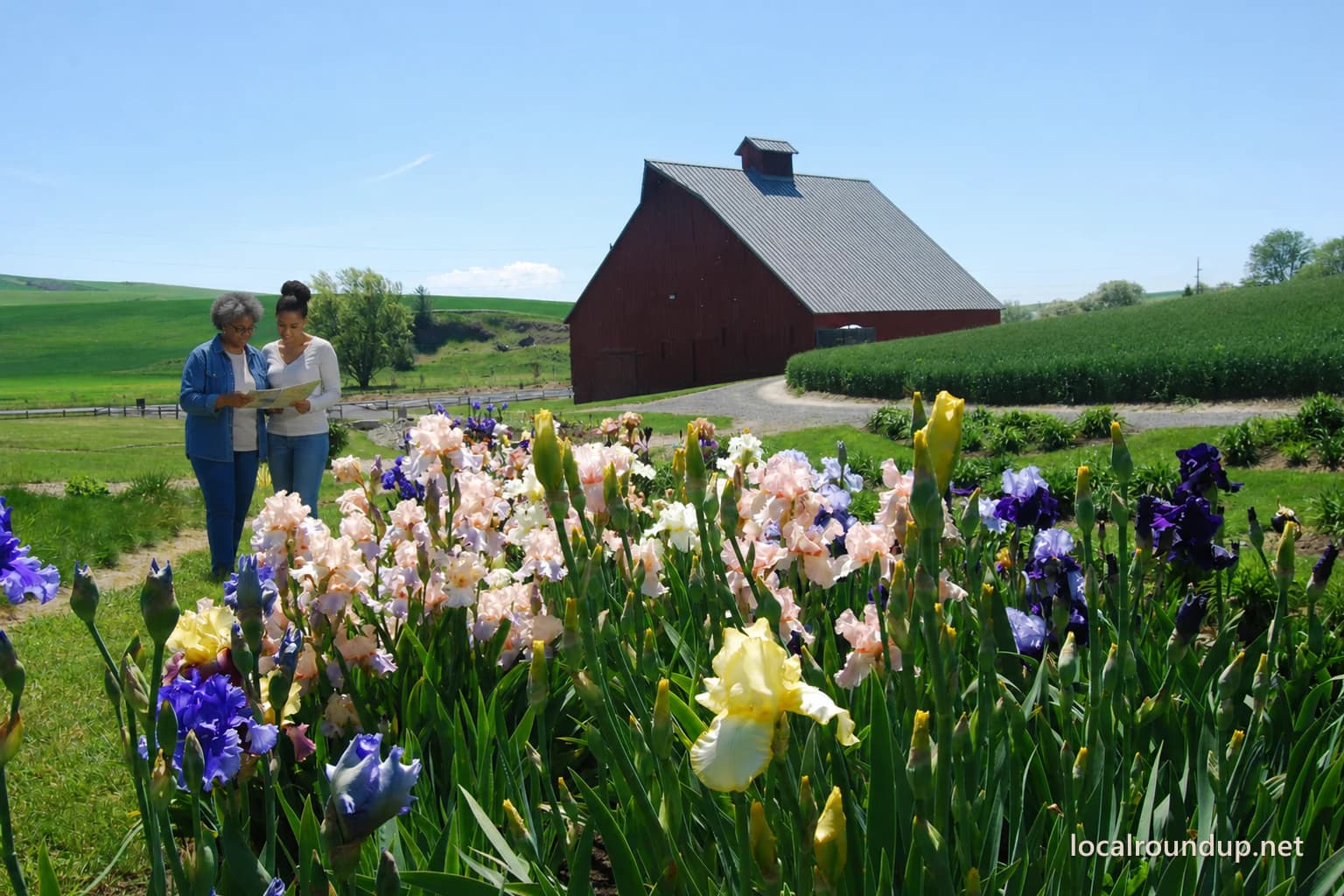
- Hero image source: cheryl.reed, CC BY 2.0 (adapted)
The hero collage is adapted under CC BY 2.0; the source person was removed, new people were added, and the image was cropped, retouched, and watermarked. License: https://creativecommons.org/licenses/by/2.0/.